
Havenly
Open in the Havenly app
Take control with Havenly—block inappropriate content across all apps, manage restrictions remotely, and ensure a safer online experience for your kids.
Instant Access – No Account Needed!
Simply download Havenly and start protecting your child's digital world right away. We never require a login or collect your data—it's truly download and go!

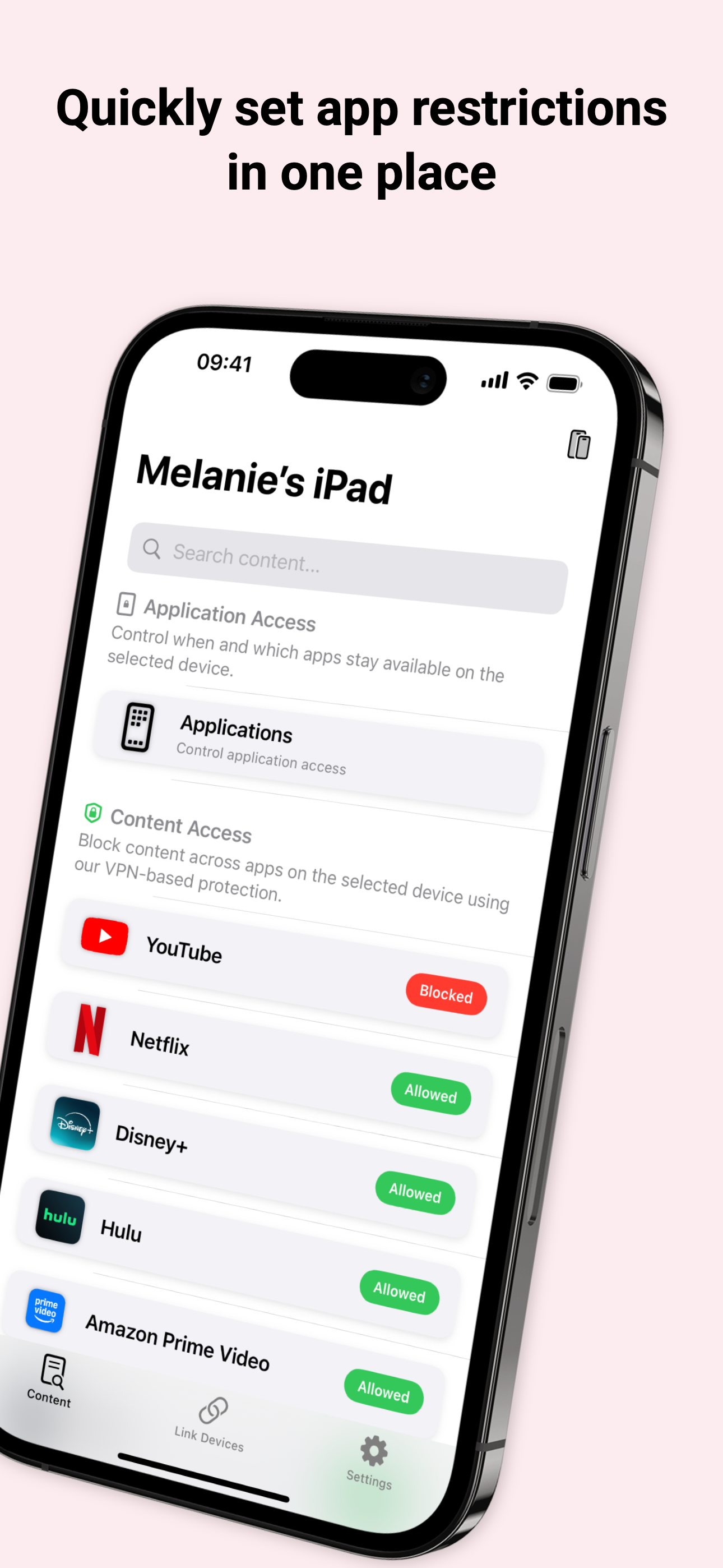
Protect your kids by blocking harmful material in any app or website that has access to such content.
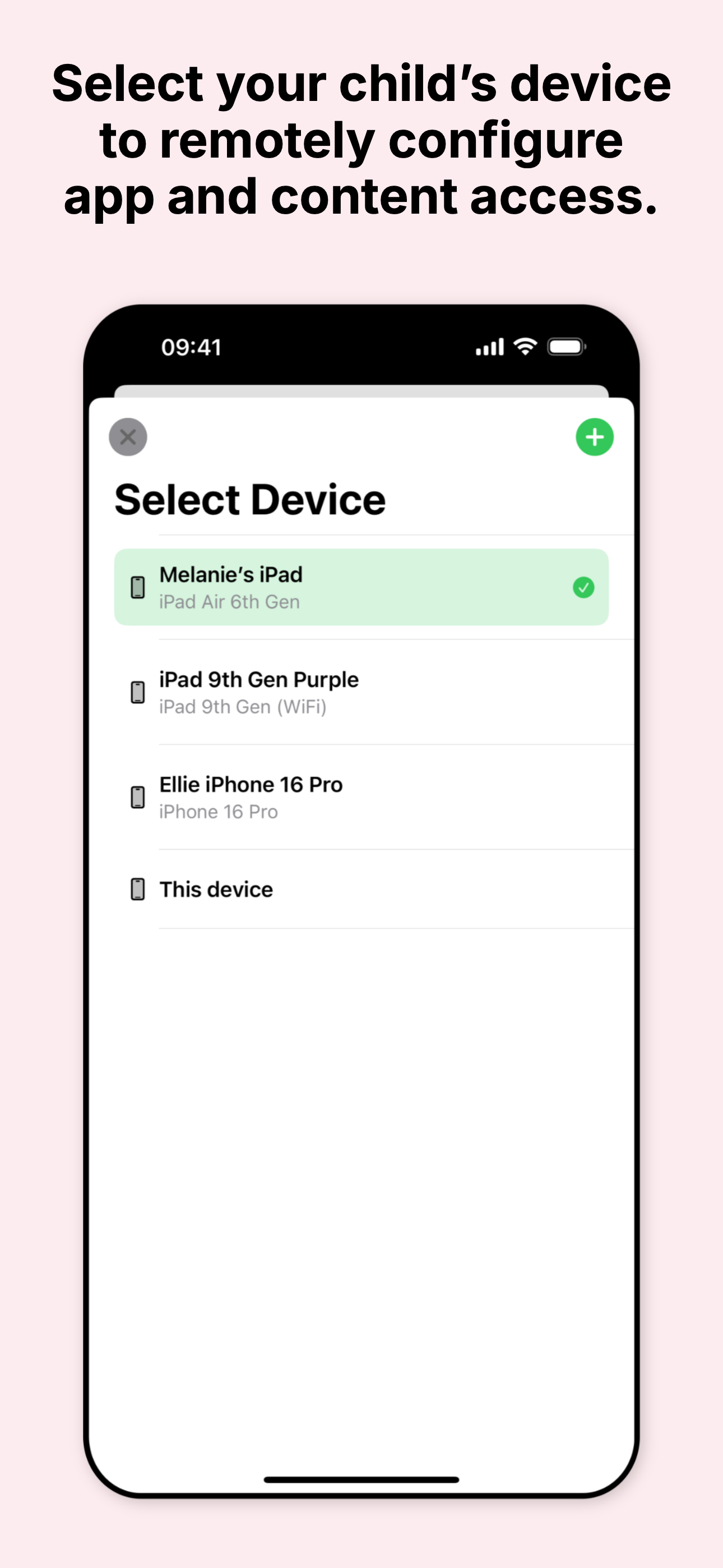
Adjust app and content restrictions from anywhere, at any time, without having to physically access the device.
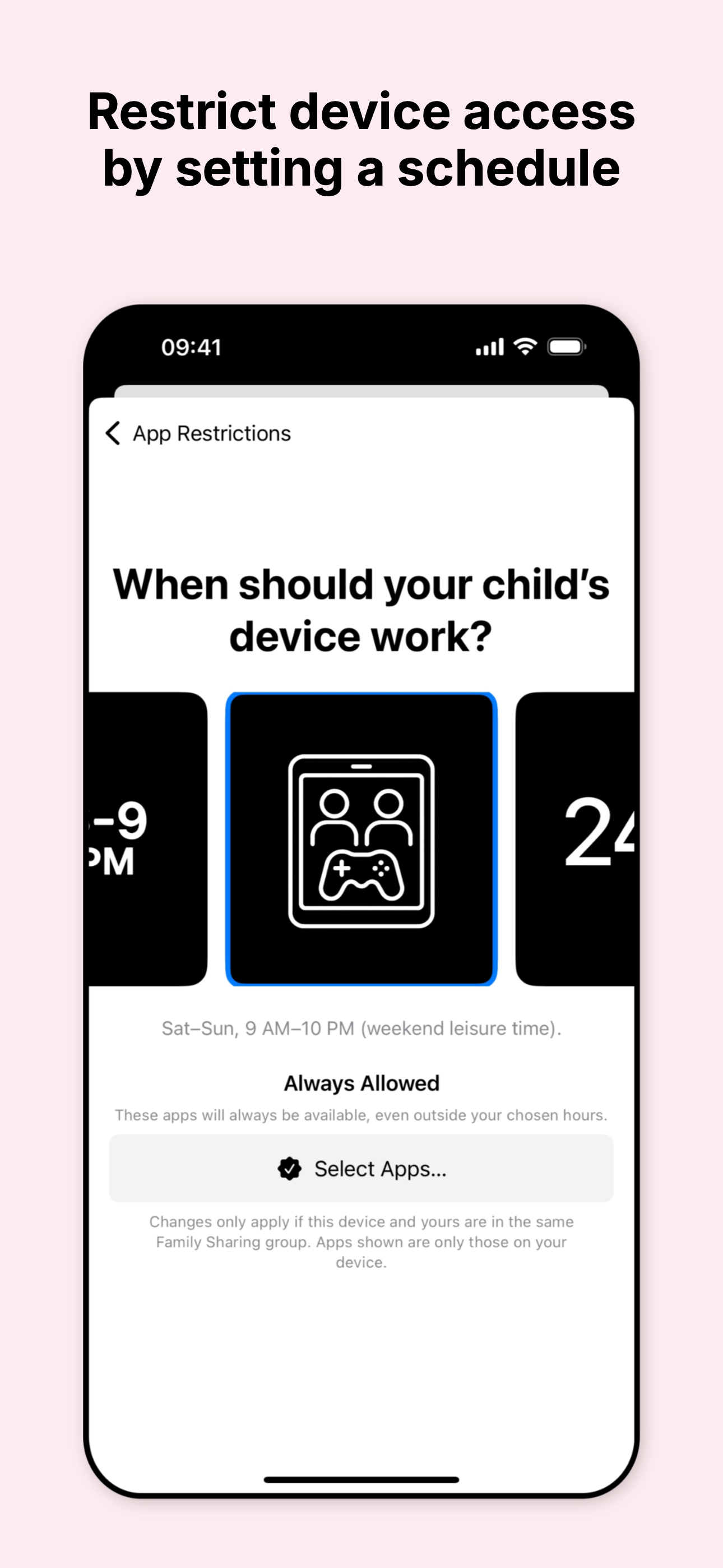
Customize device access with daily or weekly schedules tailored to your needs.
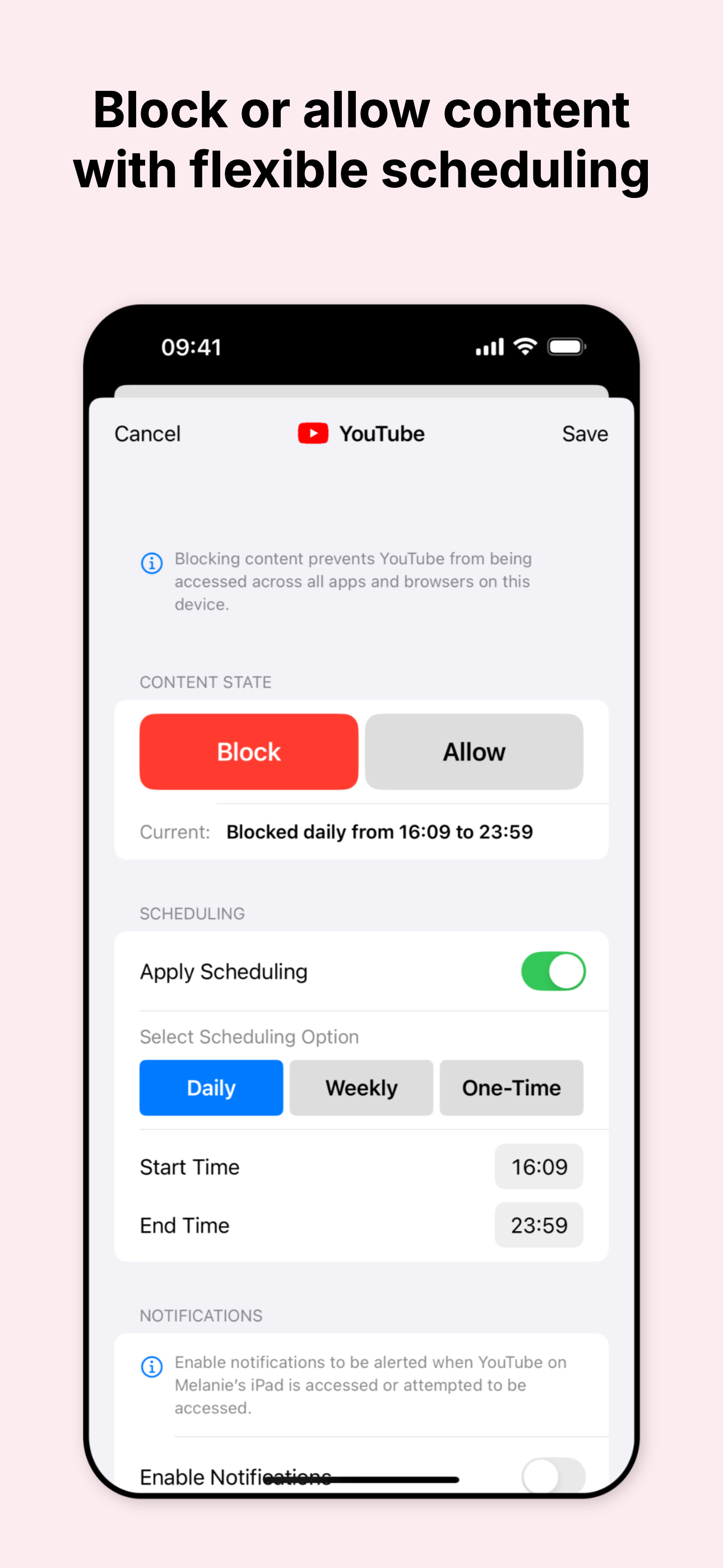
Customize what content is available on your device and when. Blocked content remains unavailable in any app on the device.
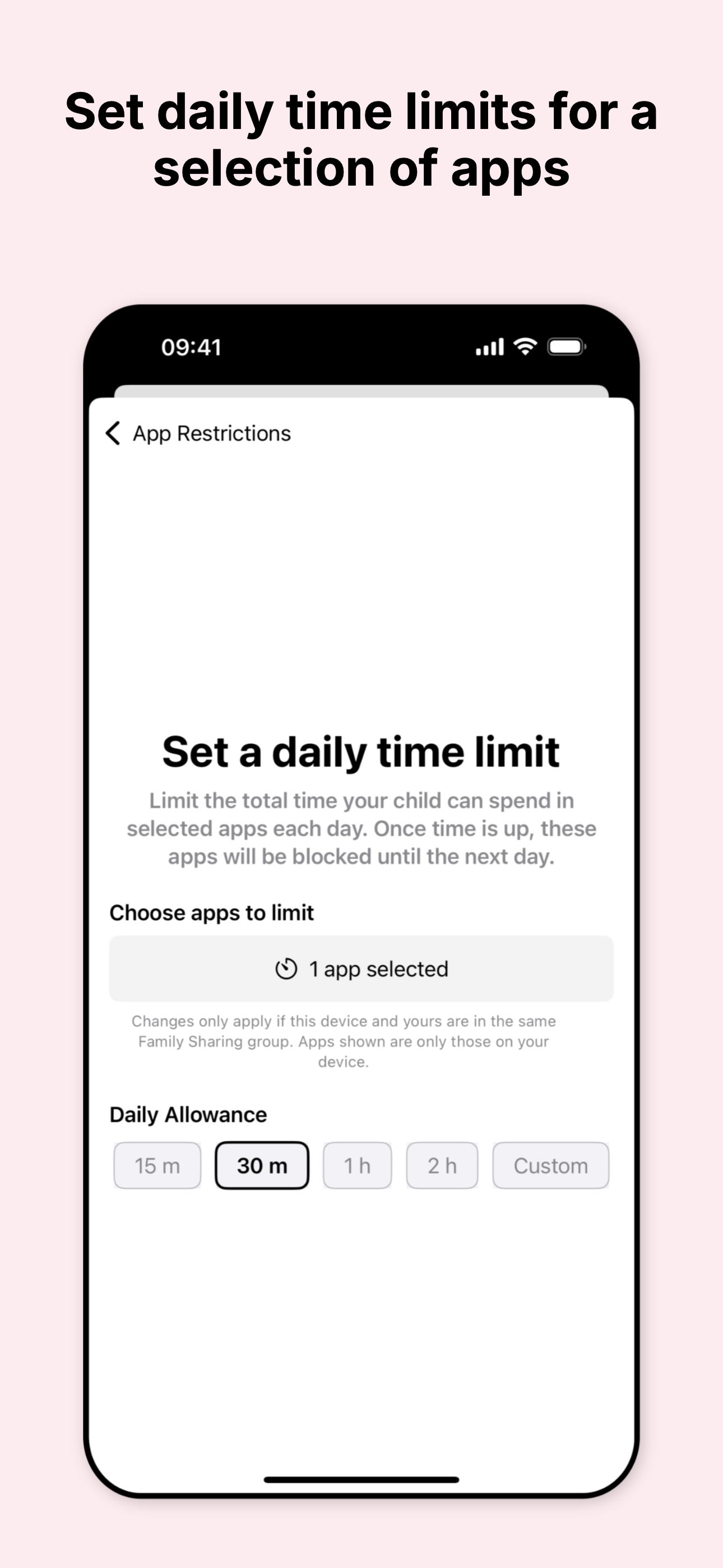
Choose which apps to limit by time. Once their daily time limit is reached, they’ll stay restricted until the next day.
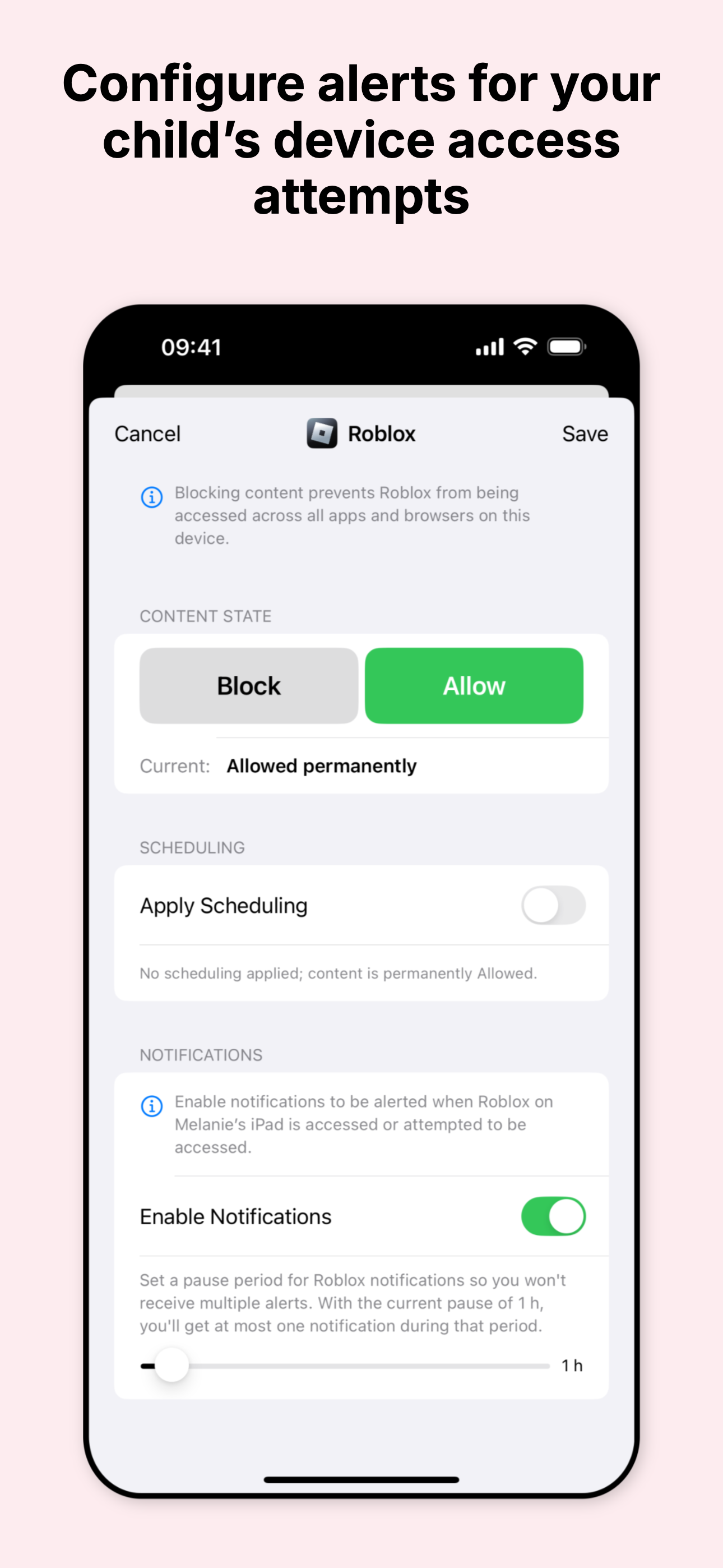
Get notified when your child accesses or attempts to access content on their device.
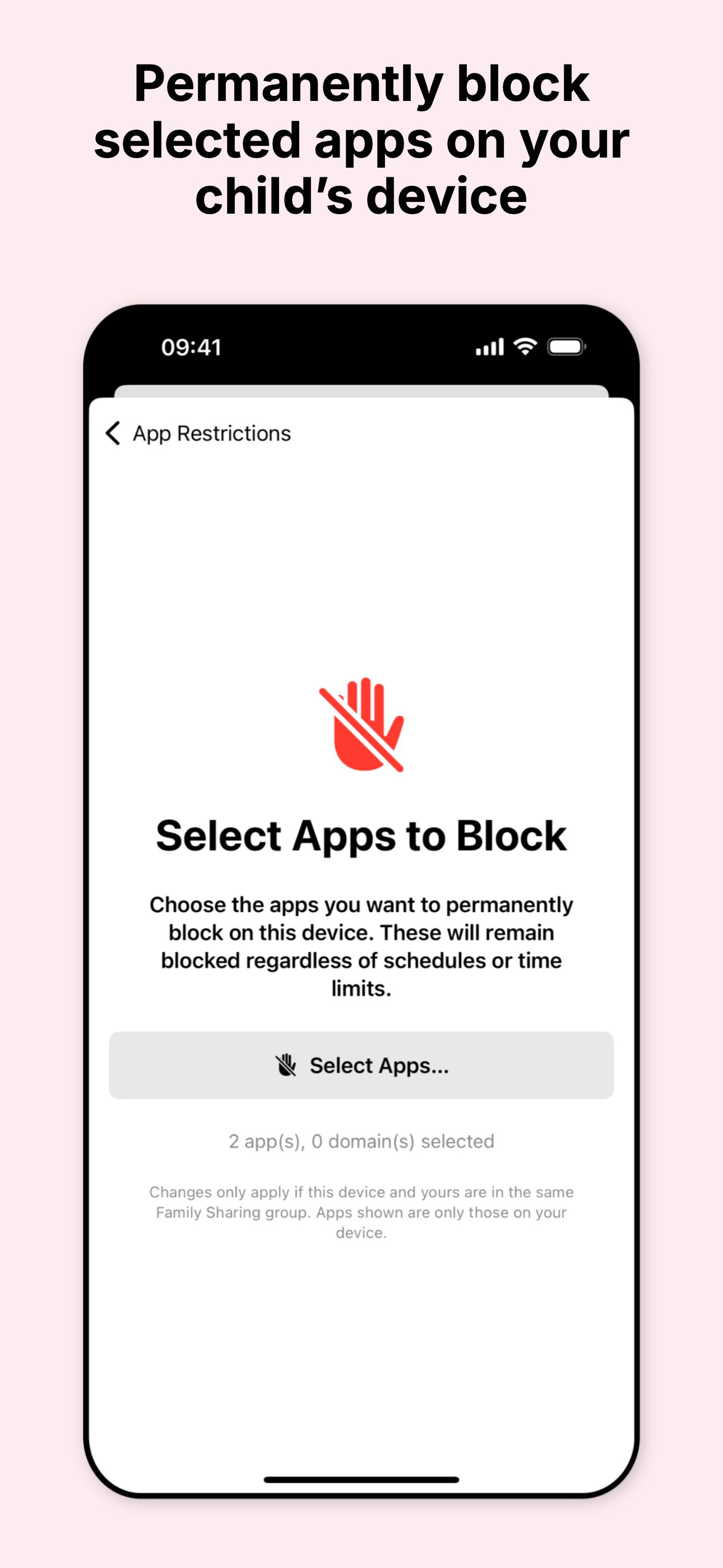
Block selected apps permanently, even before they’re installed.
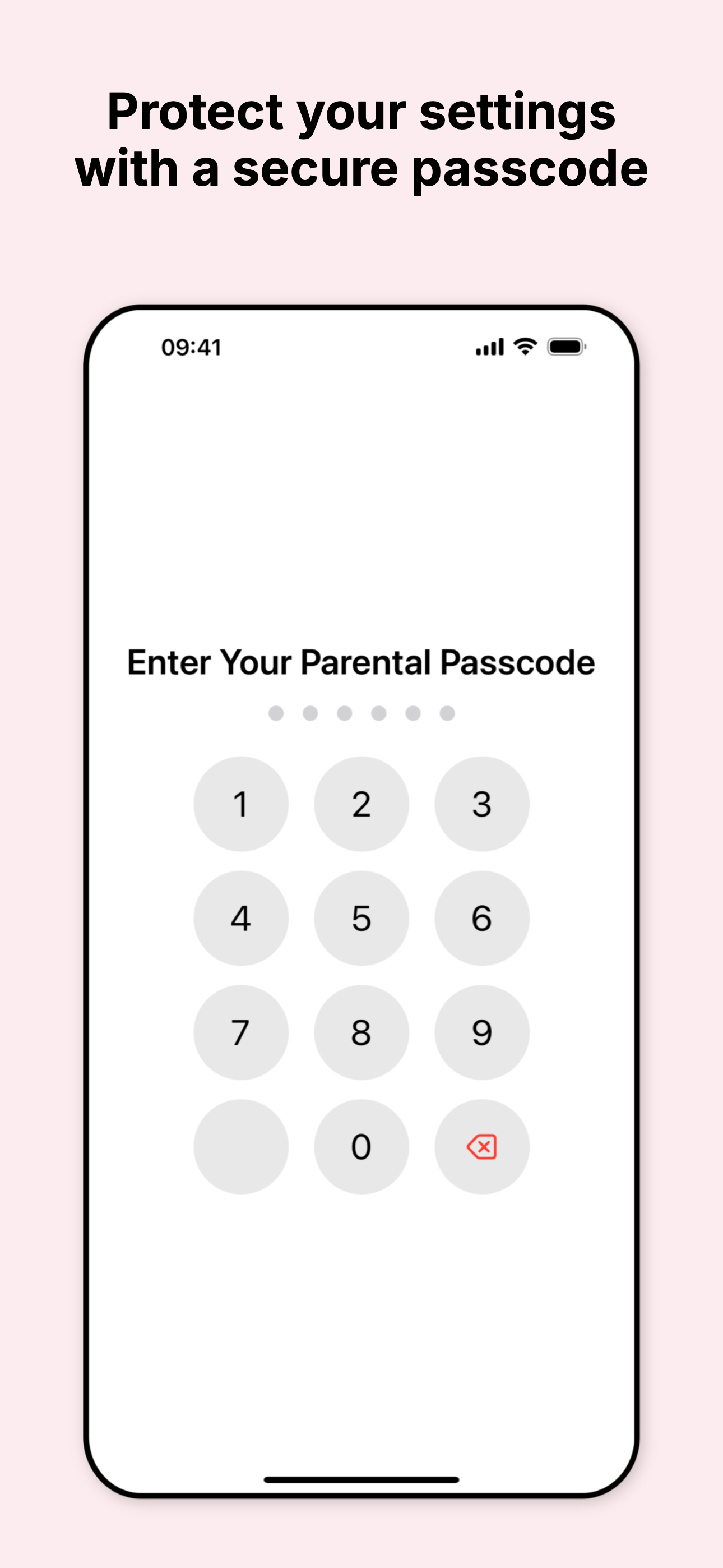
Lock access to Havenly behind a passcode.
Explore data-driven insights on how unregulated digital usage affects your child’s well-being:
This scatter plot illustrates the inverse relationship between daily screen time and GPA. As screen time increases, GPA tends to drop.
Source: Chilean Public School Study; U.S. College Study; Spanish Adolescent Survey
This bar chart compares sleep duration between kids with limited screen time and those with excessive use, highlighting significant sleep disruption.
Source: Sleep Foundation (2022); CDC Sleep Studies
This bar chart shows that 93% of boys and 63% of girls are exposed to online adult content before age 18.
Source: European Study on Online Porn Exposure (2022) and related research
This scatter plot shows the association between longer gaming hours and a higher prevalence of attention issues in children.
Source: Pediatric Studies on Gaming and Attention (2022) and related meta-analyses
This bar chart compares daily active minutes between low and high streaming users, indicating that excessive streaming reduces physical activity.
Source: Systematic Review on Sedentary Behavior and Streaming (2022)
This chart compares misinformation exposure between low and high forum users, with heavy users encountering misinformation more frequently.
Source: European Survey on Misinformation Exposure (2022)
This bar chart highlights the percentage of impulsive versus unauthorized online purchases by children, underscoring concerns about impulse spending.
Source: Kid Commerce Report & Parental Surveys (2023)
This line chart displays how increased daily social media use correlates with higher rates of anxiety and depression among teens.
Source: Pew Research and CDC Reports on Teen Mental Health (2021-2022)